
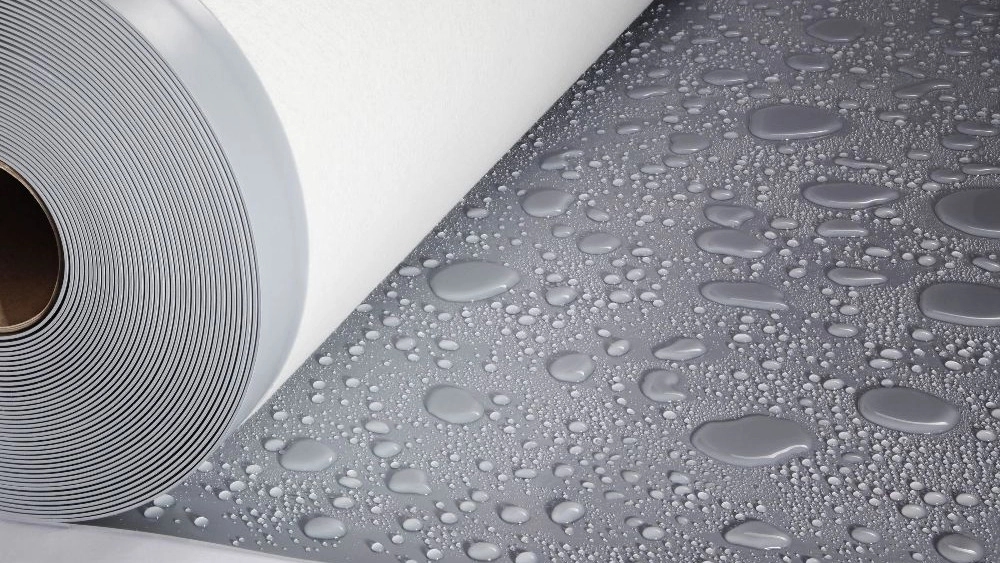
Moisture insulation is any type of sealing coating that can cover different surfaces and create an impermeable surface against water and moisture. Moisture insulators can be made from a combination of polymers, resins, nano materials and many other raw materials and have a good performance on different surfaces. Considering that moisture is a destructive factor in different spaces, the implementation of moisture insulation can be introduced as a protective coating for surfaces and equipment.
It is better to say moisture insulation mainly refers to a product or material that in the sealing or insulation operations of various vertical or horizontal surfaces (floor, ceiling, wall), leads to making the surface impermeable and waterproof. Waterproofing or all kinds of sealing products can be classified into two categories: hot waterproofing and cold waterproofing.
Types of waterproofing applications in construction projects
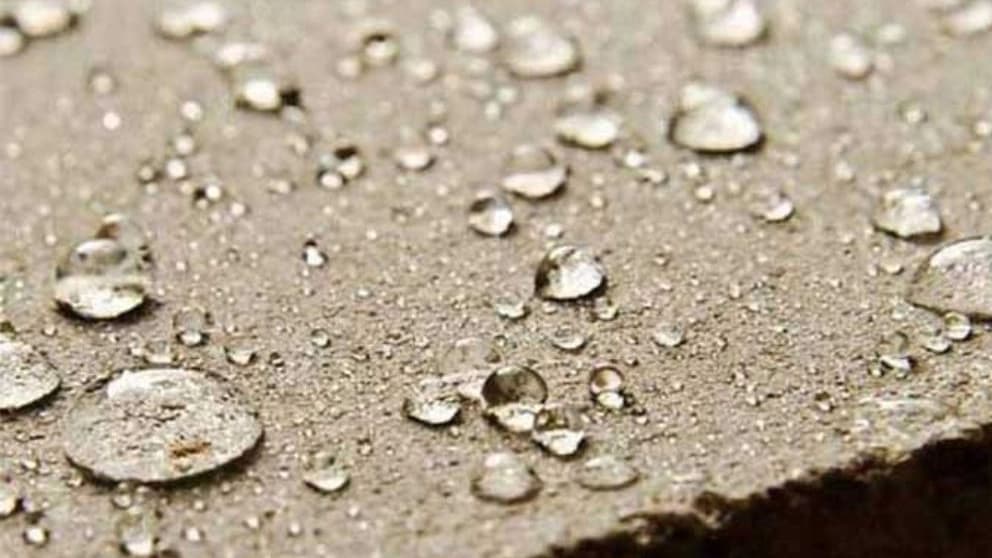
The use of moisture insulation is exactly this; Waterproofing makes the surfaces exposed to water and moisture waterproof or rather impermeable. If on the surface, there is no way for water to enter into its main structure, then certainly the main structure of the surface, which can be concrete, cement, plaster or wooden and metal, will be preserved for years against damage caused by water and humidity. If you don't take measures to prevent water penetration on the surface, water entering the surface structure and remaining in the lower layers of the surface and the occurrence of repeated cycles of freezing and thawing can affect the integrity of the surface and appear in the form of surface or deep damage with crumbling, flaking, cracking, etc. Among the types of applications of waterproofing in building surfaces, the following can be mentioned:
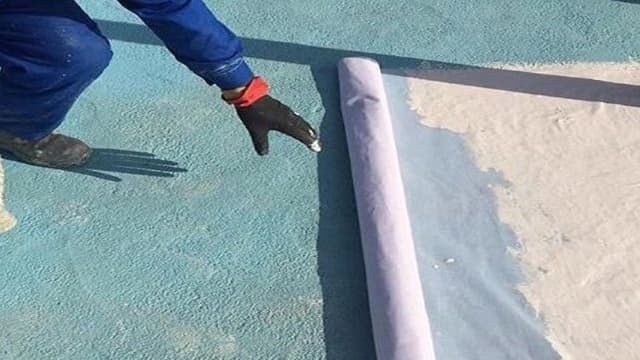
Roof sealing: In order to prevent moisture from penetrating inside the building, it is necessary to use moisture insulators such as white roof insulation to seal the roof.
Facade insulation: If the facade of the building is made of stone, wood and other materials, it is very sensitive to moisture. Moisture insulation of the facade prevents damage to the facade of buildings. Nano liquid rubber can be considered as one of the best solutions for sealing and insulating the facade.
Wall insulation: Wall insulation is done with the aim of maintaining the integrity of the walls. External walls that are exposed to moisture can be protected from damage caused by moisture with a variety of waterproofing and waterproofing products such as polymer waterproofing.
Insulation of bathroom and toilet: Insulation of bathroom and toilet is done with the aim of preventing moisture in the walls adjacent to the toilet and bathroom or leakage in the ceiling of the lower floor. Isogam is one of the most common traditional moisture insulators that was used to seal the floor and wall of the toilet and bathroom. But today, with the introduction of new waterproofing materials such as two-component polymer waterproofing, the old methods such as Qirguni and Izogam for sealing and insulating toilets and bathrooms are less and less used.
The role of waterproofing in industries and industrial structures
Moisture insulation is also done in different industries. In structures, equipment and industrial parts, moisture is known as a very destructive factor. The implementation of waterproofing in these equipments prevents their rusting and destruction and has a great impact on their durability. For the tanks that collect water and different fluids, the equipment in the vicinity of water and moisture, the pipes that transmit water, etc., it is possible to implement a sealing coating and prevent the destruction of these equipments, whose damage imposes a very high cost on the owners of industries.
Nano waterproofing
Nano waterproofing, which is divided into two categories, one-component and two-component, is one of the types of waterproof coatings that can be used to perform on different levels. Single-component nano waterproofing is performed at a very high speed on different levels and can play an important role in insulation; But two-component nano waterproofing requires more precision for implementation due to the need to combine two components with each other. The fact that these waterproofing materials are nano makes them have very good permeability at different levels. In fact, nano waterproofing particles are very small and nano scaled. Therefore, they can penetrate into the small pores of surfaces and create an impermeable and very high-quality surface on different surfaces. Nano waterproofing based on polymers and various other compounds are available. These products have a very high executive power and can be used on different levels with high flexibility in terms of color and structure. There is no limit to the implementation of nano waterproofing and they can be implemented on all surfaces, construction and industrial projects.
Nano waterproofing has a long lifespan. So, if there are suitable conditions, they can remain on different surfaces for up to 30 years. This type of insulation prevents the growth of mold, moss, etc. In addition, it will not cause dandruff on the surface. The special structure of nano waterproofing has made them anti-pollution and can maintain their performance when exposed to soot and industrial pollution.
Polymer waterproofing
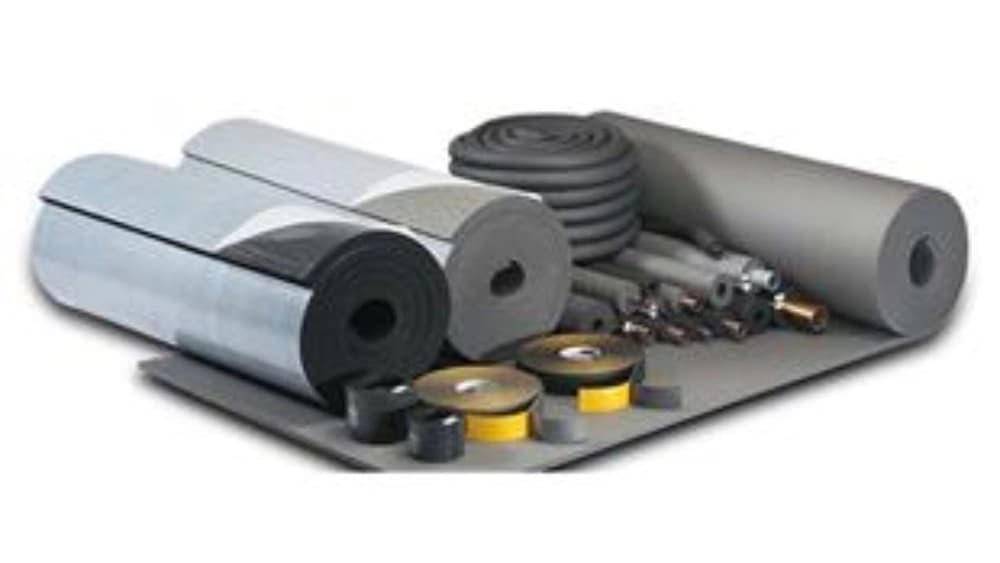
Polymer sealing insulation is one of the best-selling and widely used waterproofing products in various industries, which plays a very important role in the performance of the coating and preventing damage to it. Polymers consist of a set of monomers that combine with each other to form a suitable polymer chain. This polymer chain can bring a lot of power to cover and prevent water penetration. Therefore, currently in many projects, polymer waterproofing is used for sealing and insulating different surfaces. The advantage of polymer waterproofing is that it is best used for both construction projects and industrial projects.