
What is moisture insulation?
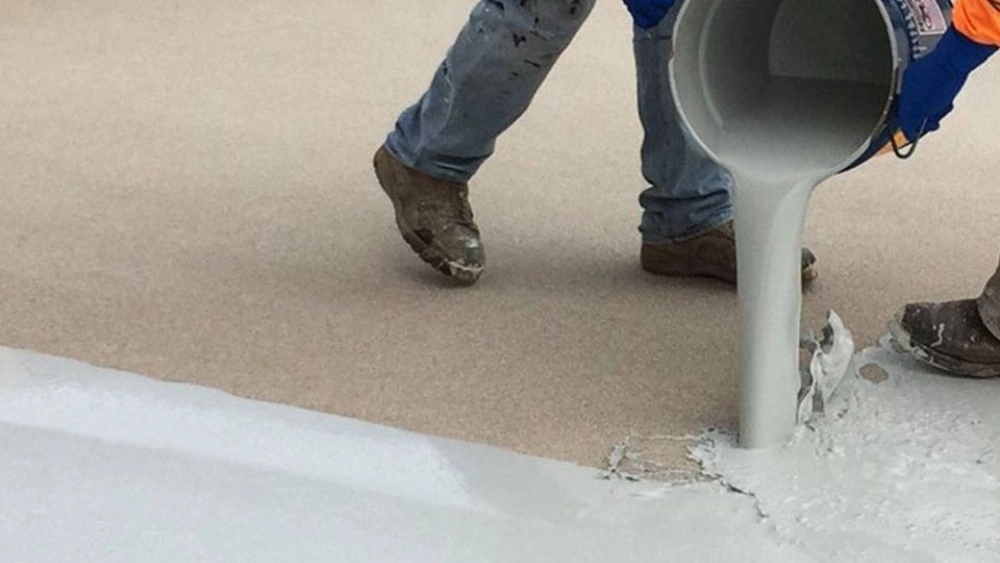
Moisture insulation is a substance used to prevent water and moisture from penetrating different surfaces of the building. These insulators are used to water the floor, ceiling, facilities and moisture insulation of the walls. These insulators play an important role in increasing the durability of the structures, preventing early destruction and reducing maintenance costs. Moisture insulators have different types of liquid insulation due to its easy implementation and high performance. This type of insulation, after applying on the surface, creates a uniform, seamless layer that effectively prevents water penetration.
The benefits of liquid insulators compared to other types of insulators
Liquid moisture insulation has many benefits over other insulation methods that have made it an ideal option for many construction projects:
Easy and fast run:
These insulators apply as liquid on the surface and do not require complex equipment or time -consuming processes.
Integrity:
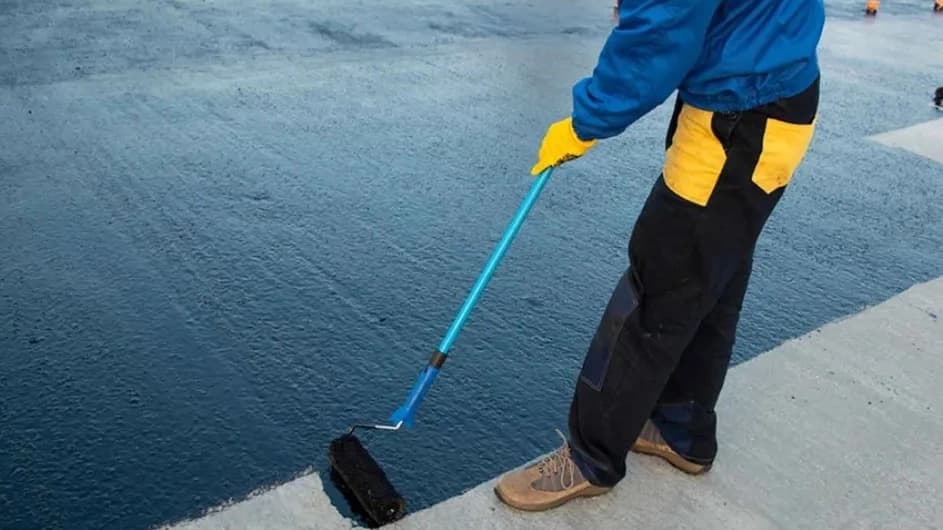
Unlike traditional rolls whose seams and location of their joints may cause weaknesses, liquid moisture insulation is uniformly spread over the surface and operates completely.
High flexibility:
Liquid moisture insulation is compatible with changes in temperature and minor movements of the structure and do not crack.
Excellent adhesion:
This type of insulation adheres to almost all surfaces, including concrete, metal, tile and wood.
Durability and longevity:
High resistance to different environmental conditions, UV rays, chemicals and temperature changes are other important advantages.
Resistance to water and moisture:
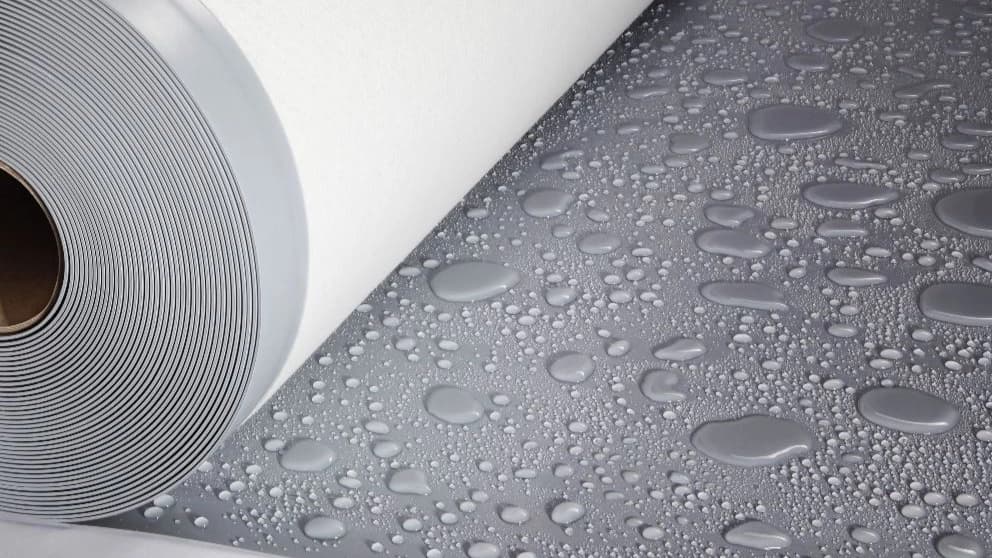
completely prevents water penetration and prevents the structure of the structure.
Environmental Adaptation:
Some types of liquid moisture insulation lack harmful substances and are environmentally friendly.
Why is it important to choose moisture insulation?
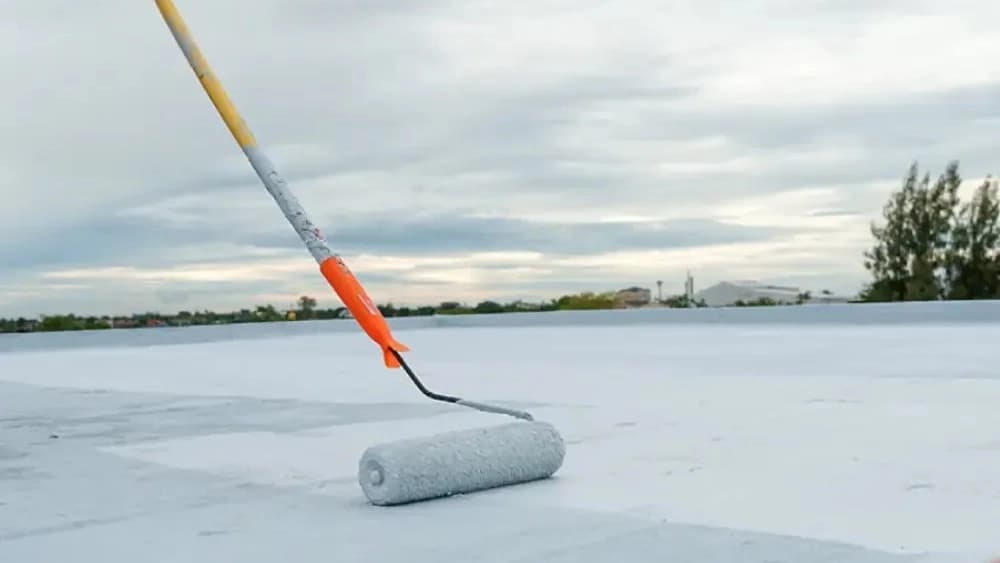
Selection of building moisture insulation is very important because it can have a huge impact on the efficiency, longevity and overall health of the building.
Prevent moisture penetration:
Moisture insulators help prevent water and moisture from penetrating the building. This can prevent structural injuries and water damage.
Reduce maintenance costs:
Reduces the maintenance costs of building maintenance by preventing moisture penetration. Moisture can lead to problems such as mildew, fungus and rust that require additional repairs and costs.
Improving the quality of interior air:
Extra moisture can cause health problems such as mildew and respiratory diseases. Proper moisture insulators can improve interior air quality
Increase the useful life of the building:
Extends its shelf life by protecting the structure of the structure against moisture. This is meant to reduce the need for rebuilding and renovation.
Temperature Control:
Moisture insulators can help control temperature and optimize energy consumption. This leads to the savings of heating and cooling costs.
Safety and comfort of residents:
increases by reducing moisture problems, convenience and safety of residents of the building.
Increase the value of the property:
buildings that use appropriate waterproof insulation are usually more valuable in the market and are easily sold.