
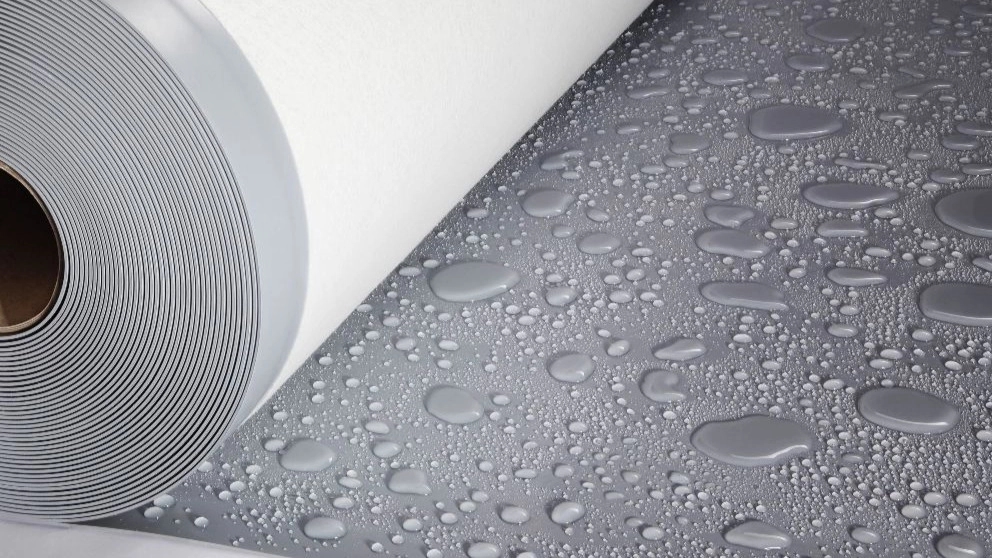
What is moisture insulation and what are the uses?
Waterproofing can be defined as coatings that are made with various compounds in order to protect against water and moisture. It is mandatory to use waterproofing in all places that are exposed to water. The roof, bathroom, swimming pool, etc. are among the places where insulation must be done. Moisture penetration in the building can cause problems such as rusting of metals, growth of mold and fungi, freezing of structures, etc. be.
If waterproofing is used, other problems such as leakage or pipe burst cannot cause much damage to the building. Finding a solution to make buildings resistant to water and humidity has always been one of the problems of humans since the past. Today, with the advancement of technology, there are wider possibilities to insulate buildings and structures.
Types of Moisture Insulation
In order to be able to choose the most suitable waterproofing for use, it is necessary to be familiar with the types of waterproofing and know the characteristics of each one. In general, the types of waterproofing can be divided based on the type of ingredients and the method of implementation:
Types of waterproofing based on the method of implementation
Moisture insulation can be implemented using two methods. In the first method, the waterproofing is glued to the desired surface using heat. The other category is called cold-applied waterproofing, for which it is enough to mix their details together.
Types of waterproofing based on ingredients
All kinds of insulation can be used for sealing, gluing, insulating and even painting many places. In addition to water, most waterproofing products are also resistant to UV rays and are easy and convenient to use
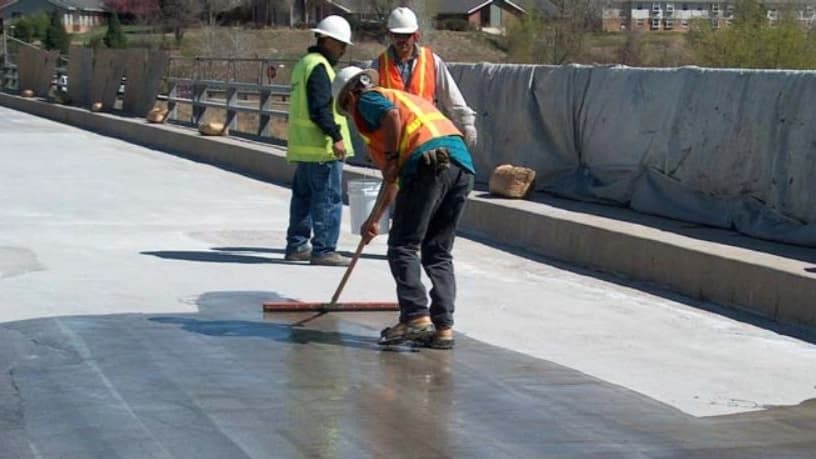
Nano moisture insulation
Nano moisture insulation, in addition to moisture, is also resistant to fungus and mold. Since nano technology has been used in the production of this type of insulation, it can also be considered as a subgroup of polymer insulation. The use of nano technology in these insulations has caused them to be so-called waterproof and also have high resistance and durability. and have different functions, they are called nano insulation. Nano insulators can be used to seal roofs, walls, water pipes, etc. Modern or nano waterproofing is installed in thin layers and much easier than other insulations.
bitumen -based moisture insulators
Qirguni: Bitumen and gunny can be considered the first method to create moisture insulation. This method, which has been used for many years, is done using a kind of fabric called gunny and tar. There are different types of sacks used in this insulation method, which are available in the market at different prices. The bitumen used in this method is also prepared from the distillation of crude oil and is a combination of organic hydrocarbons. Izogam: Izogam can be considered a more advanced type of bitumen insulation. Isogam is a pre-prepared roll layer that is glued to the ceiling and walls using special heating methods. The constituent materials of Isogam are bitumen and synthetic fibers. Isogam waterproofing is produced with different thicknesses and sizes, as well as simple or metal coatings. Isogam insulation is very flexible and is very resistant to thermal stress, expansion and contraction. Usually, this insulation can be used for about 10 years after installing Isogam.